


Conference kit
Coffee breaks
Lunch
Gala dinner


Donostia-San Sebastián
27-29 April 2026
Innovation begins where Chemistry and Biology converge. Explore the latest scientific discoveries at the Biannual Meeting of the Chemical Biology Group/Spanish Royal Society of Chemistry. We advance science through openness, collaboration and inclusion.
We cover fields of structural and computational biology, nanobiotechnology, medical chemistry, synthetic biology and biomaterials
Presented by 5 Keynote and 10 invited Internationally recognised Speakers
We accounted for the field, gender, and geographical diversity to support equality and collaborative spirit
Each of the 5 sessions will be represented by one keynote and three invited lectures
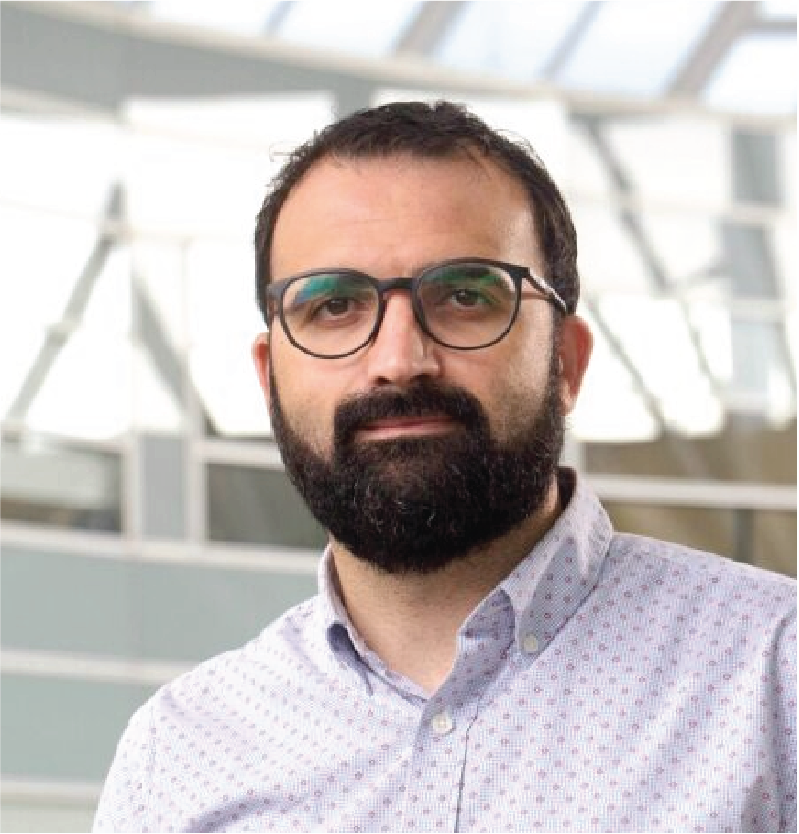

CIC biomaGUNE
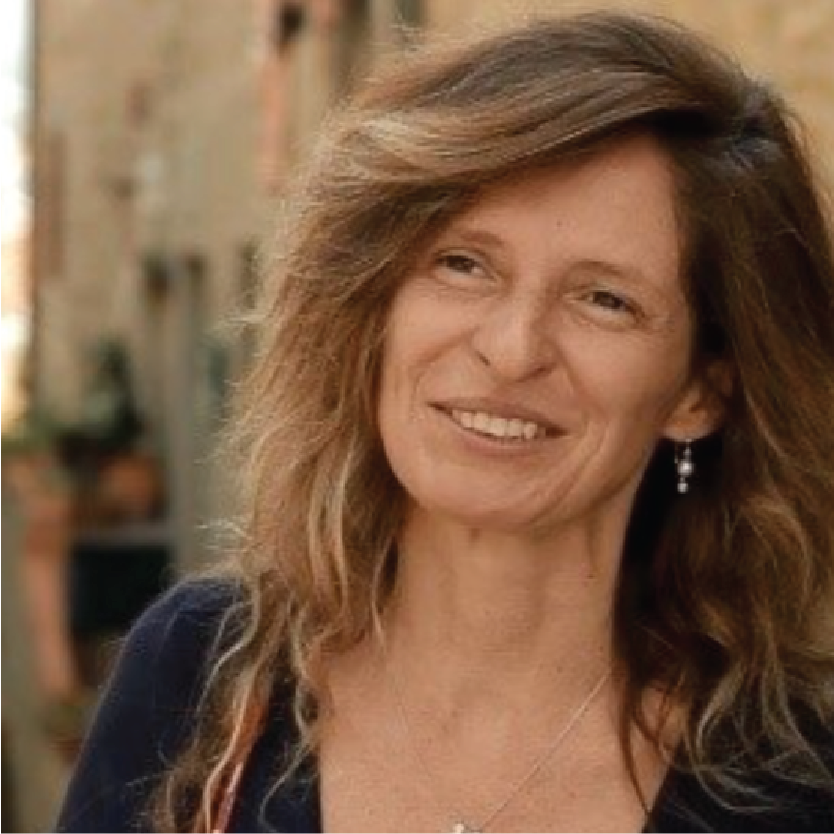
Center for Magnetic resonance (CERM)
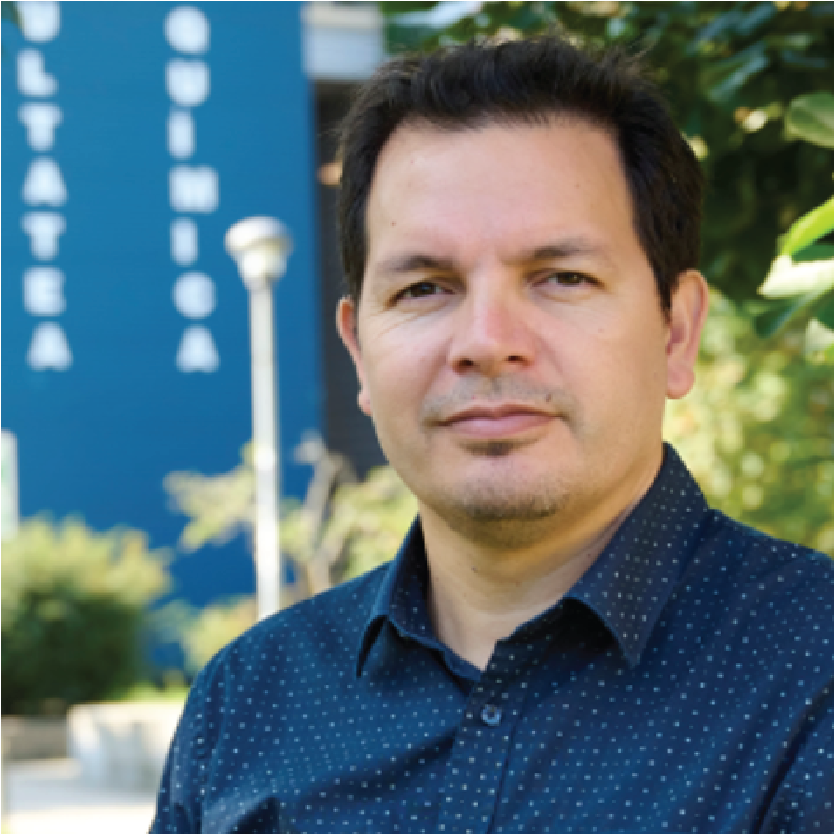
POLYMAT
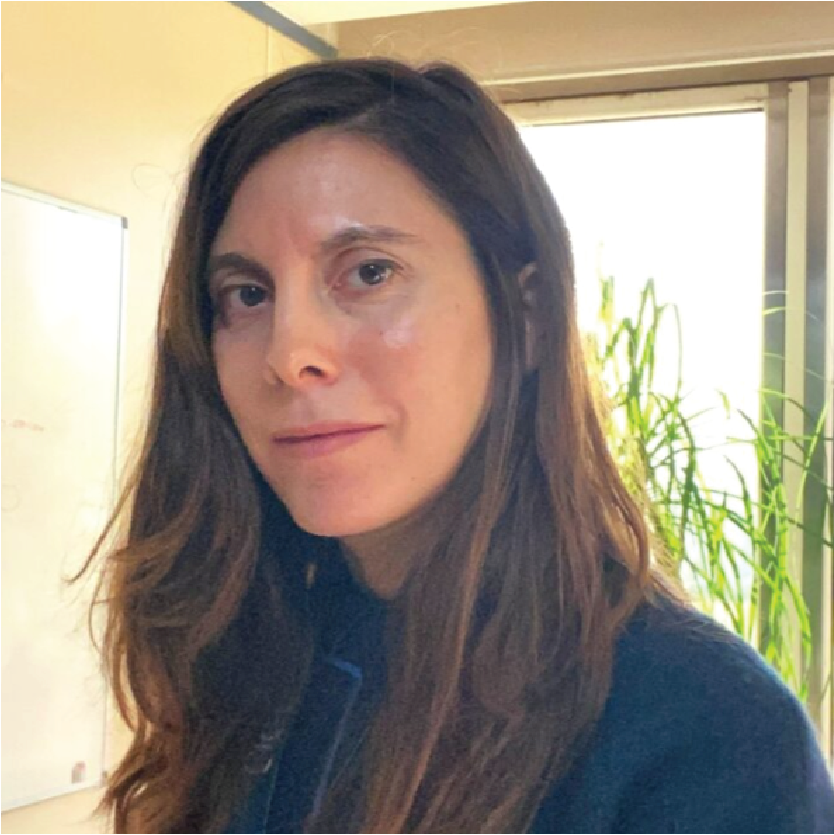
CIC bioGUNE

Materials Science of Madrid (ICMM/CSIC)

CIC bioGUNE
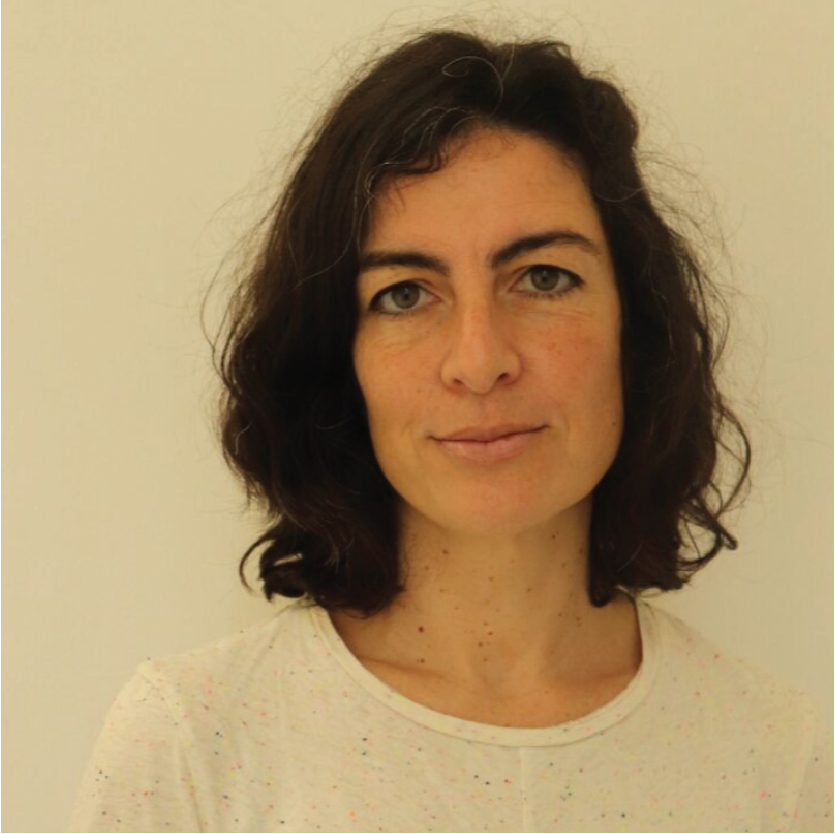
IQAC-CSIC
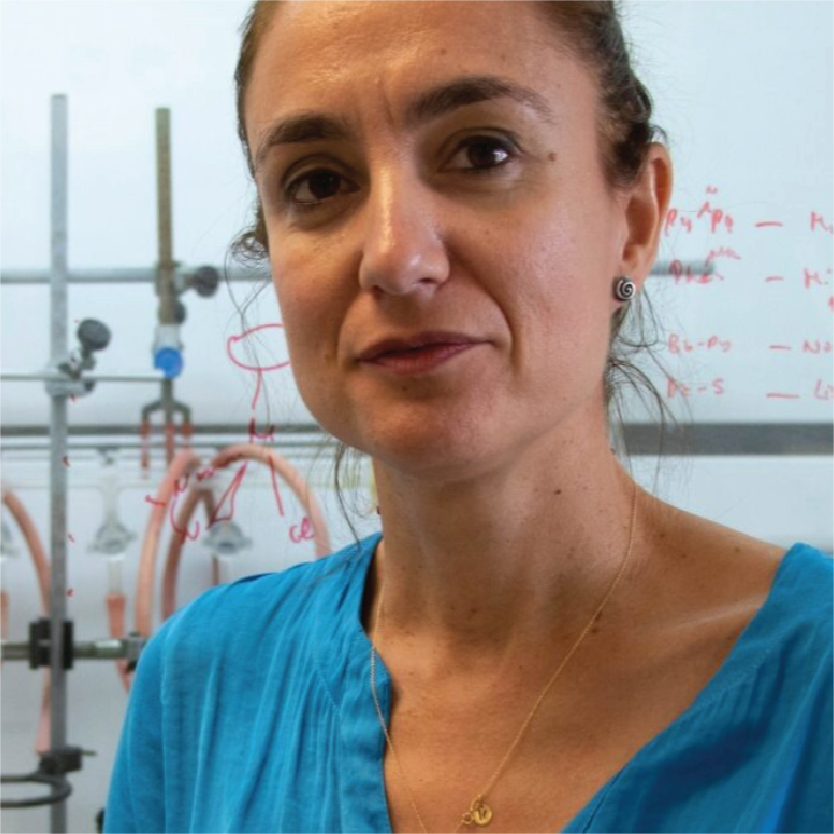
ISQCH-CSIC
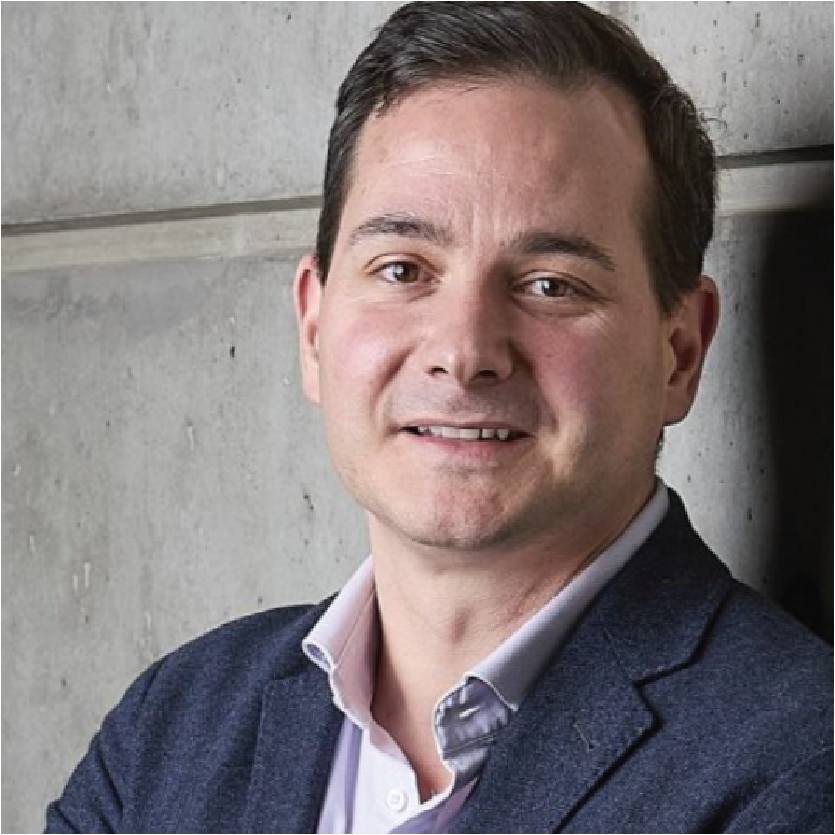
Johannes Gutenberg University in Mainz
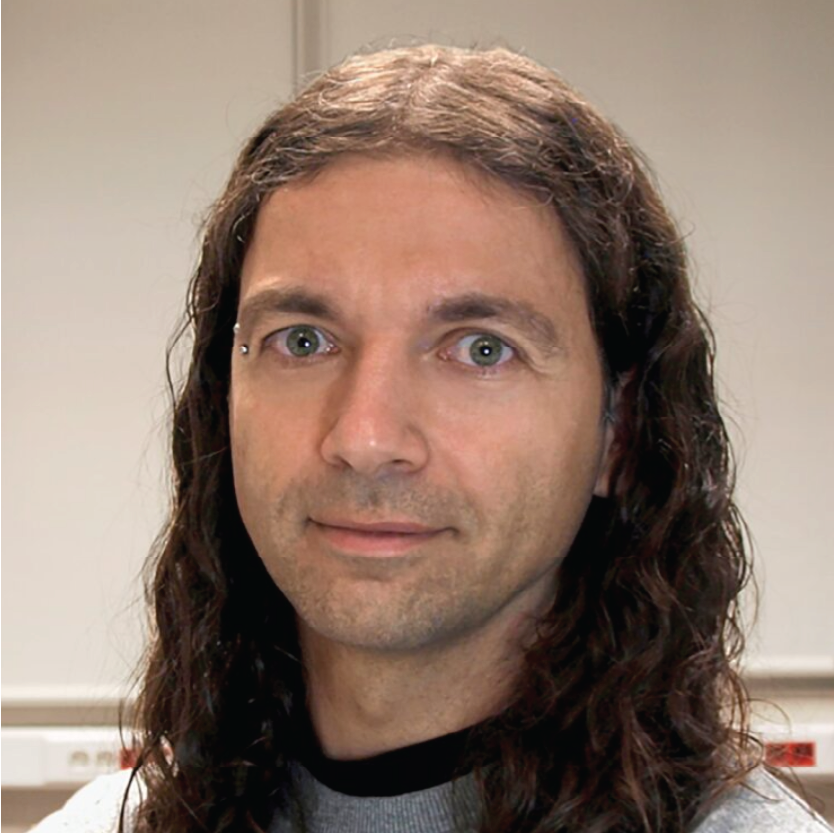
University of Castilla-La Mancha

University of Gothenburg

Pompeu Fabra University
IIT

Nanoscience and Materials of Aragón (INMA)
University of Lausanne
The meeting is organised by young group leaders from the fields of biocatalysis, structural and synthetic biology
POLYMAT
University of Deusto

CIC biomaGUNE
The aquarium auditorium is situated in the centre of Donostia. The auditorium and surrounding halls will provide a unique experience (where we will project our scientific slides directly onto screen above the aquarium window). During breaks, attendees can enjoy the tranquillity of the underwater marine life in the auditorium or join the coffee breaks and poster session with a beautiful scenery of La Concha Bay.
150
12
Conference kit
Coffee breaks
Lunch
Gala dinner
Conference kit
Coffee breaks
Lunch
Gala dinner
Conference kit
Coffee breaks
Lunch
Gala dinner
Conference kit
Coffee breaks
Lunch
Gala dinner
Conference kit
Coffee breaks
Lunch
Conference kit
Coffee breaks
Lunch
Conference kit
Coffee breaks
Lunch
Conference kit
Coffee breaks
Lunch
Keynote lectures will consist of 35 minutes + 10 minutes for questions; invited talks 25 minutes + 5 minutes for discussion; and selected short talks 12 minutes + 3 minutes for Q&A.
In addition, interaction among participants will be encouraged through poster sessions, flash talks, networking activities, and informal discussion spaces. Active participation of early-career researchers will be especially promoted, including awards for outstanding contributions and dedicated activities for young scientists.
Important dates
Abstract submission: December 1st, 2025 – February 28th, 2026 (Abstract submission & Abstract template)
Late registration: March 23d, 2026– April 27th, 2026 (Registration)

This satellite event is sponsored and organized by the European Doctoral Network “TheraTools: Innovative tools to treat and model complex cancer environments” link. The project focuses on researching delivery systems and developing in vitro models to provide new insights and innovative tools for tackling glioblastoma.
The satellite event is part of the conference series organized by the “TheraTools” project, where leading researchers present their latest findings on polymers and biomaterials for drug delivery, new therapeutic strategies, blood-brain barrier (BBB) research, and the development of BBB and glioblastoma models using microfluidics and 3D printing.
The ChemBioVIII meeting offers a valuable platform for the chemical biology community in Spain to exchange recent TheraTools results, foster new collaborations with researchers in related fields, and connect with top experts developing innovative biomedical tools.

